Parts that wear out
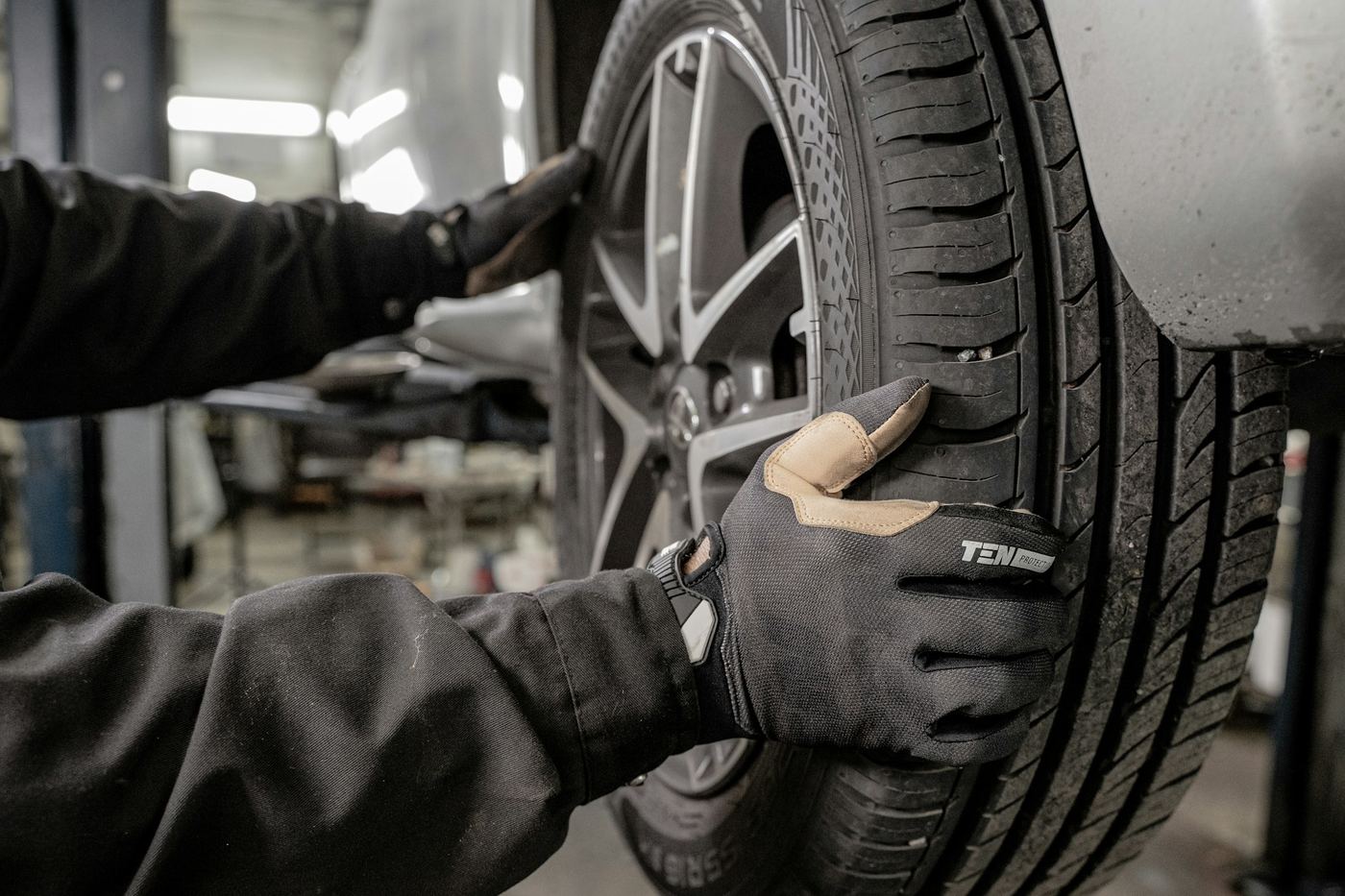
Some parts are meant to be used up. Knowing which ones, and roughly how the shop judges them, turns a surprise bill into a line in your plan.
See the stepsStage 03 Tires, brakes, blades, batteries
Wear items are a cost you can see coming
Every car has parts that wear away by design. Tire tread, brake pads and rotors, wiper blades, the starter battery, drive belts and the cabin and engine air filters all shrink, harden or weaken with use. None of them is a defect when it reaches the end. An owner who knows the list can ask about each part at routine visits and spread the cost across months instead of meeting it all at once.
What this stage covers
Which parts on a typical car wear out by design, and the signs a shop uses to judge how much life is left.
How to read a shop’s measurements for tread and brake pads, so a replacement can be planned rather than rushed.
Why electric and hybrid cars wear some parts differently, with regenerative braking easing the pads and their weight often working the tires harder.
Parts to ask about each visit
- Tire tread and even wear
- Brake pads and rotors
- Wiper blades
- The starter battery’s test result
- Drive belts and hoses
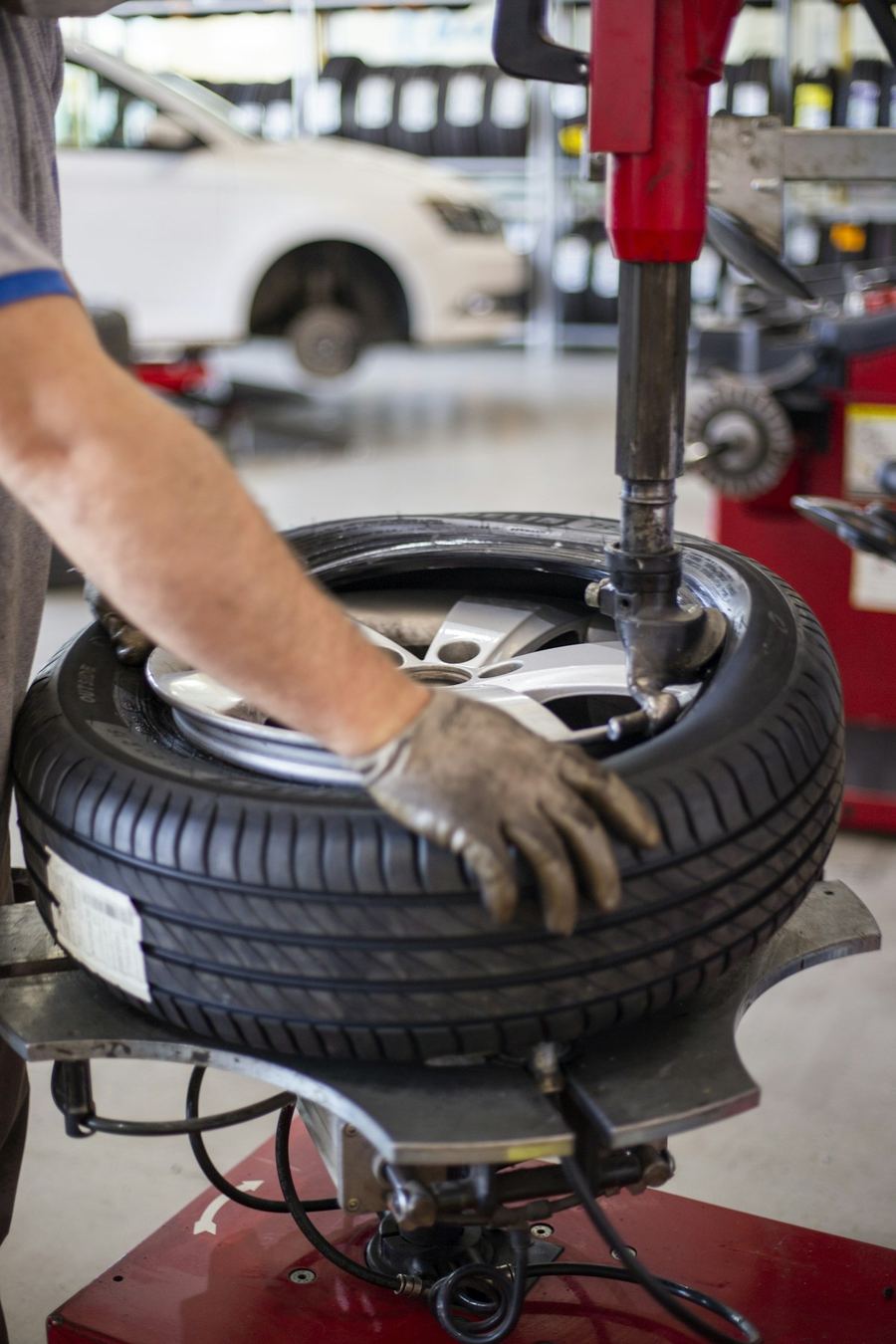
Ask the shop to write measurements on the repair order rather than a verdict alone. Tread depth for each tire and the thickness left on the brake pads let you compare one visit with the next, and the shop can tell you the point at which it would replace them. Two readings a few visits apart show how quickly a part is wearing on your car, which is the figure that matters for planning.
The starter battery deserves its own note. On a gas car it starts the engine, and on a hybrid or electric car it still powers the locks, the screens and the computers that wake the high-voltage system. Many shops will test it during a routine visit. Electric and hybrid cars also tend to use their brake pads less because regenerative braking does much of the slowing, though pads and rotors can corrode from sitting idle. Anything on the high-voltage side is for trained technicians only.
-
Step 01
Ask for numbers
At each visit, ask for tread depth on all four tires and the remaining brake pad thickness on the repair order.
-
Step 02
Compare with last time
Set the new readings beside the previous repair order to see how quickly each part is wearing on your car.
-
Step 03
Price the next replacement
When a part nears the shop’s replacement point, ask for a written quote, and a second shop’s quote if you like.
-
Step 04
Set money aside
Put a little toward the next set of tires or brakes as you go, sized to the quotes and your own budget.
Questions to take to the shop
- What tread depth and brake pad thickness did you measure today, and at what point would you replace them?
- Is the uneven wear on these tires telling you anything about alignment or tire pressure?
- Did the starter battery pass its test, and how does today’s result compare with the last one?
Owners also ask
It depends on the car and on how worn the others are. Some all-wheel-drive cars are sensitive to tires of different depths, and the manual may say so. Ask the tire shop to measure all four and explain what it would do on your car, then check the manual’s advice before you agree to a pair or a full set.
Rotors wear too, and some are made thin enough that they are replaced with the pads rather than resurfaced. A shop should be able to tell you the measured thickness and the minimum stamped on the rotor or listed for your car. Ask for both measurements, and ask whether your rotors could be resurfaced, before you approve the work.
Electric cars are often heavy and pull strongly from a standstill, and both can work the tires harder. How much depends on the tire, the car and how it is driven. Watch the tread readings on your repair orders and rotate the tires on the manual’s schedule. Some carmakers specify tires built for their electric models, so ask before you buy replacements.
Updates on owning a car
Occasional emails from Summit Road about service, wear parts and records, and texts only if you tick the box.
Sign up for updates