Hybrids and plug-in hybrids
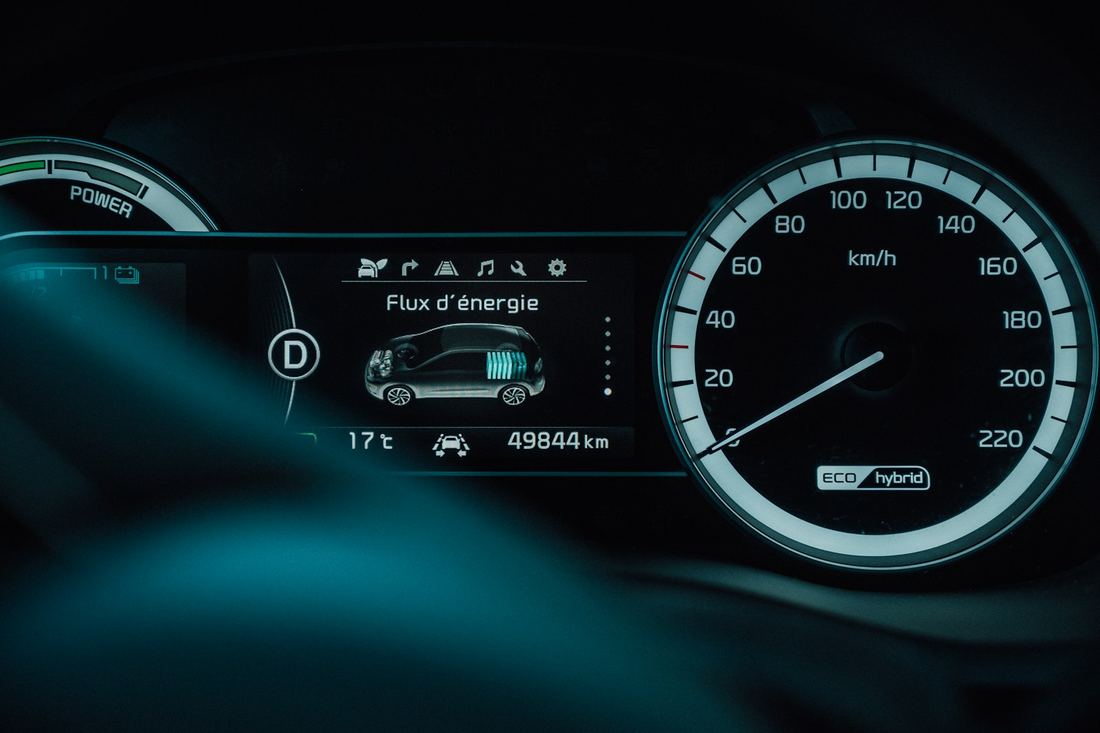
A hybrid charges itself and has no plug. A plug-in hybrid has a bigger battery and a charge port. Living with each one takes slightly different habits.
A conventional hybrid pairs a gas engine with an electric motor and a small battery that charges from the engine and from braking. You fill it with gas and drive it like any other car. A plug-in hybrid adds a larger battery you charge from an outlet, so it can cover short trips on electricity alone before the engine takes over.
Both still have an engine, so both still need the engine's oil changes, filters, coolant and spark plugs on the schedule in the manual. That schedule can look different from a gas-only car's, because the engine runs less and sometimes in short bursts. Follow the hybrid schedule in your own manual rather than a habit carried over from a gas car.
A plug-in hybrid gives the most back to owners who plug it in on most nights.
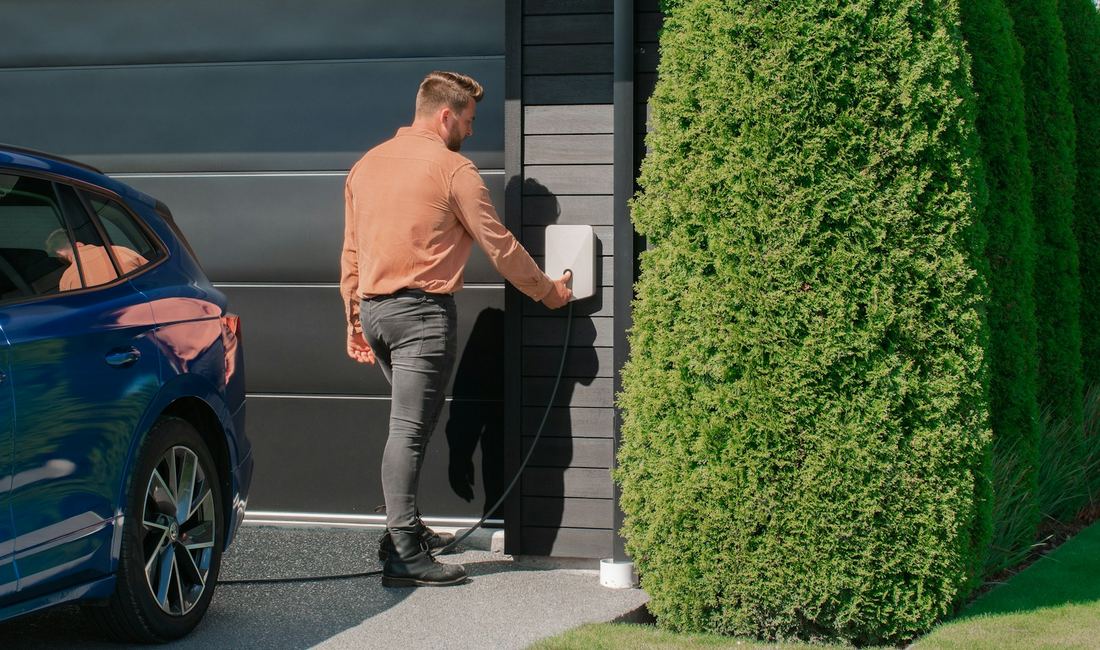
If you own a plug-in hybrid, the habit that matters is plugging it in. Driven only on gas, it carries a heavy battery for little return. Charged at home most nights, it can do much of your daily driving on electricity and keep the engine for longer trips. A standard household outlet is often enough for its smaller battery.
An engine that rarely runs can sit with old fuel and oil that seldom warms up fully. Many plug-in hybrids start the engine now and then on their own to keep it in working order, and some ask you to run a maintenance mode. Your manual explains what the car does by itself and what it expects of you.
What a hybrid shares with a gas car
The engine, the fuel system, the exhaust, the tires, the suspension and the cabin air filter need the same attention on a hybrid as on any car. Brakes are the exception. Regenerative braking does much of the slowing, so pads tend to last longer, but calipers that rarely work hard can stick or rust. Ask the shop to look at them at routine service.
- Engine oil and filters on the hybrid schedule
- Coolant for the engine and a separate loop for the electronics
- Brake calipers checked for sticking or rust
- The low-voltage battery that wakes the car's systems
What is different, and who works on it
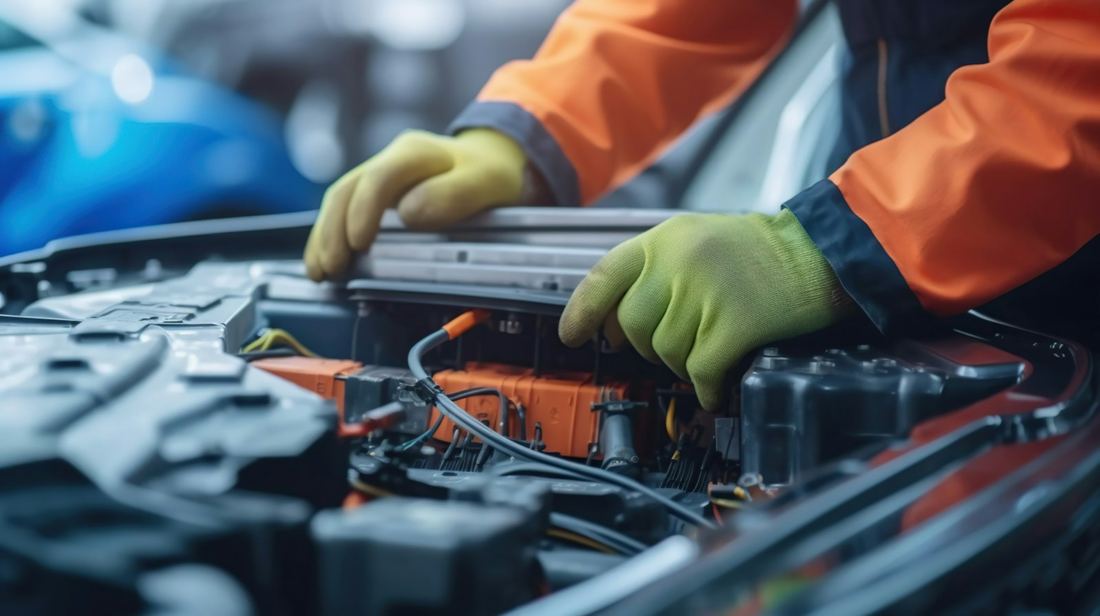
The hybrid battery, the inverter and the orange high-voltage cables are not owner jobs or general shop jobs. Work on them is for trained technicians only. Many hybrids also have a separate coolant loop for the electronics and a cooling fan or intake for the battery, often near the rear seats, that needs to stay clear of bags and dust.
- Keep the battery's air intake clear of bags and clutter
- Ask whether the shop is trained on high-voltage systems
- Check the manual for the electronics coolant schedule
- Treat a hybrid system warning as a reason to book a visit
Questions about hybrids and plug-in hybrids
Mostly it needs what any car needs, on the schedule in its own manual. The differences are the hybrid system itself, a separate coolant loop on many models and brakes that work less hard. Ask the shop whether its technicians are trained on hybrid systems before you leave the car with them.
It runs as a hybrid on gas and still works normally. You give up most of what the plug was for, and you carry the weight of a larger battery around. Some manuals also suggest using the battery regularly. Plugging in at home, even from a standard household outlet, tends to get more out of the car.
Hybrid batteries are designed for a long service life, and many cars keep their original pack. Wear depends on heat, use and age. If a hybrid system warning appears or fuel economy falls noticeably, book a visit with a dealer or a shop trained on hybrid systems, and check the warranty booklet for the battery's own terms.
Keep reading
More on electric and hybrid
Updates on electric and hybrid driving
Pick electric and hybrid when you sign up. A text comes only after you tick the box; reply STOP to end them.
Sign up for updates