
Battery health over the years
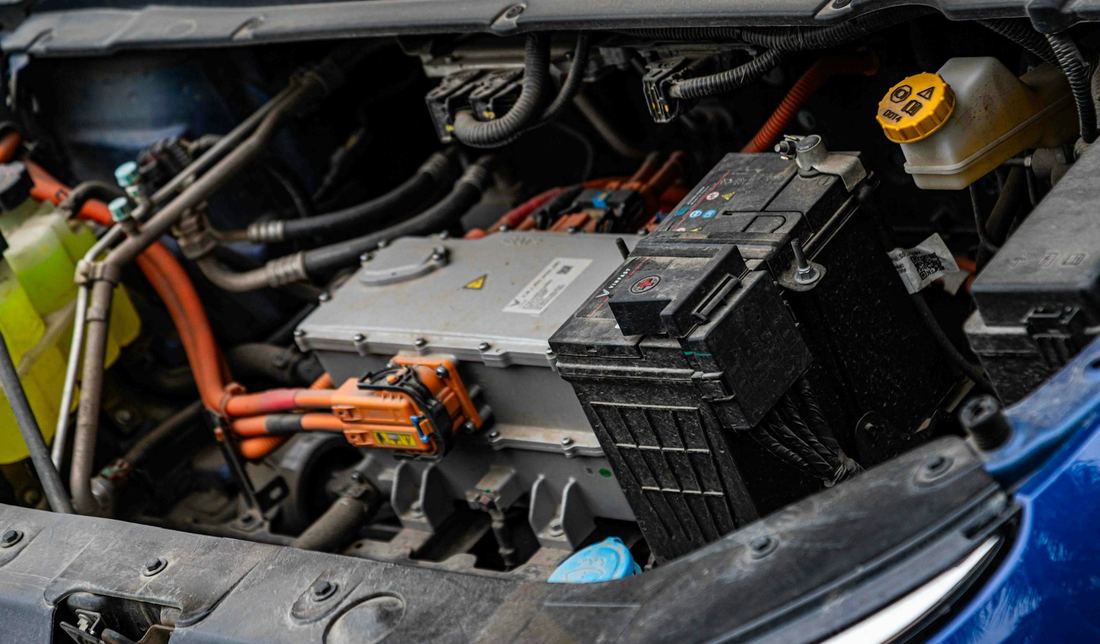
The high-voltage battery is the most expensive part of an electric car. It loses capacity slowly, and a few habits and good records help you keep track of it.
Every rechargeable battery loses some capacity as it ages and as it is used. In an electric car that shows up as a little less range at full charge than the car had when new. The loss tends to be gradual, and most of it depends on heat, on how full or empty the battery sits and on how often it is fast charged.
You cannot service the pack yourself, and you should not try. The high-voltage battery and its orange cables are work for trained technicians only. What you can do is keep the battery in conditions it handles well, follow the manual's charging advice and keep records of its health over time, so that a change is noticed and has paperwork behind it.
A battery tends to age most gently when it spends its days in the middle, not full and not empty.

Your manual usually suggests an everyday charge limit below full, with a full charge kept for trips. It may also warn against leaving the car near empty for long. Those two habits shape the battery's life more than most owners expect. Set the limit once in the car's charge menu and change it only for a trip.
The battery has its own warranty, with terms apart from the other coverage on the car. Read the warranty booklet for what it counts as a covered loss of capacity and how a claim is made. Keep the booklet with your service records, since the dealer will ask for both if you raise a concern about the battery.
Habits that tend to help
Day-to-day habits matter more than any single event. Keep the everyday charge limit the manual suggests, plug in when the car will sit for a long time and keep fast charging for trips. Avoid parking for long spells with the battery full or almost empty, especially in heat. None of these is a fix for a fault, but they tend to slow ordinary wear.
- Set the everyday charge limit the manual suggests
- Charge to full shortly before a trip, not days before
- Keep fast charging for the drives that need it
- Avoid long spells parked full or nearly empty
Keeping a record of the battery
Ask the dealer's service desk whether they can produce a battery health report at routine visits, and keep each copy. Between visits, note the range the car shows at full charge on mild days, a few times each season. Those notes are rough, but together with the reports they show a trend, and a trend gives a shop something to work with.
- A battery health report from each service visit
- Your own notes of full-charge range on mild days
- The warranty booklet and any battery repair orders
- Recall notices and software updates that mention the battery
Questions about battery health over the years
Compare your own notes of full-charge range on mild days over a long stretch, and ask the dealer's service desk for a battery health report. A sudden drop, a warning message or a big change in how the car charges is worth a visit. The warranty booklet explains what counts as a covered loss and how the dealer assesses it.
No. The high-voltage battery and its cables carry enough energy to injure or kill, and only trained technicians with the right equipment should work on them. If you suspect a problem, call the dealer's service desk or a shop trained on high-voltage systems. The small low-voltage battery that runs the lights and locks is a different matter, covered in the manual.
The car's software manages charging, heating and cooling of the battery, and carmakers sometimes change how it works in an update. Read the notes that arrive with any update, ask the service desk what changed if the battery is mentioned and record when the update was applied.
Keep reading
More on electric and hybrid


Updates on electric and hybrid driving
Pick electric and hybrid when you sign up. A text comes only after you tick the box; reply STOP to end them.
Sign up for updates