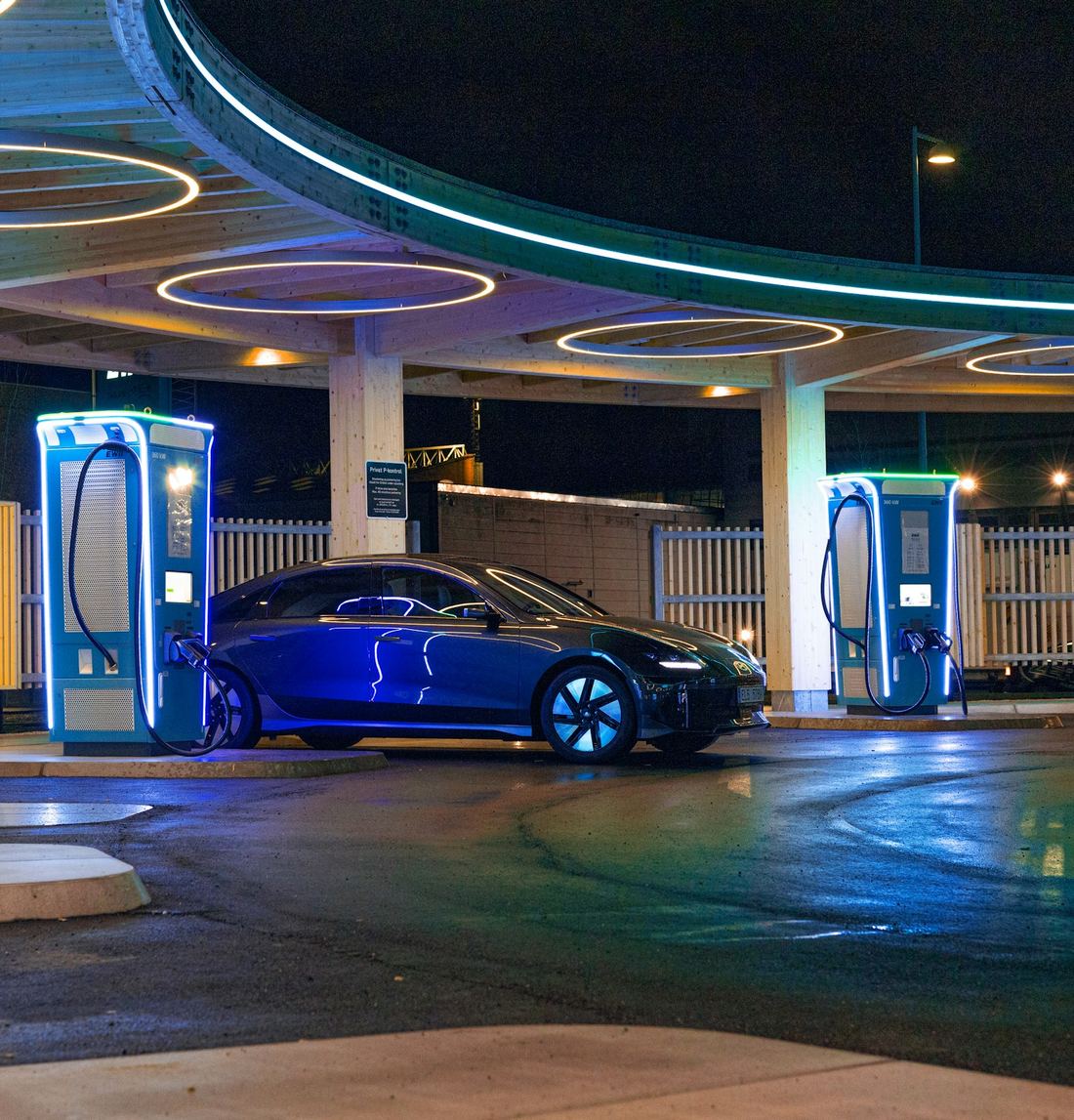
Charging at home
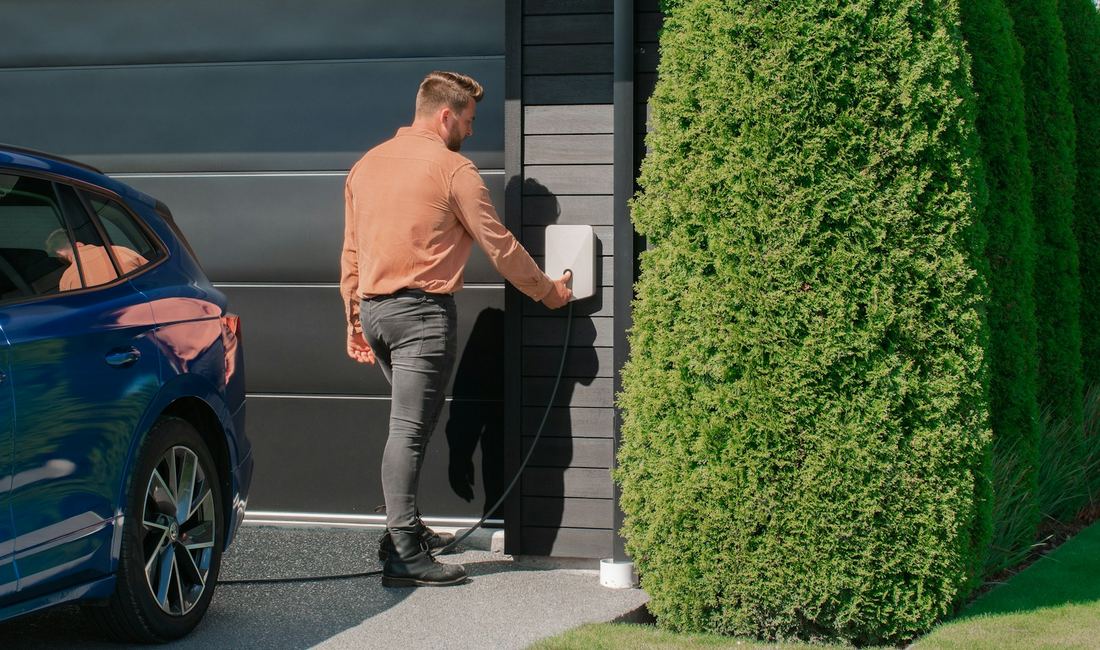
Most charging happens where the car is parked overnight. This guide covers what a home setup involves, what to ask an electrician and how to read your own charging habits.
A plug-in car changes where you refuel. Instead of a stop at the gas station, the car takes on energy while it sits in the driveway or the garage, and you start most days with the range you need. How well that works depends on the outlet or wall connector you use, the wiring behind it and how far you drive between nights at home.
Some owners get by on a standard household outlet for years, because their daily driving is short and the car has all night to refill. Others find the slow pace leaves them short after a long day and add a faster wall connector on a dedicated circuit. Your owner's manual lists the charging options the car accepts, and the label on any charger lists what it delivers.
The right home setup is the slowest one that still refills the car before you need it again.
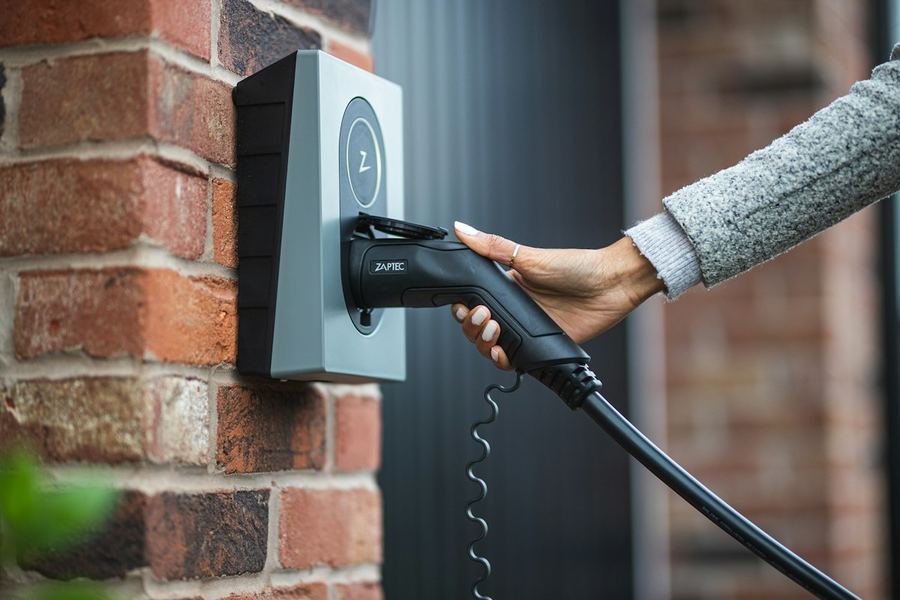
Before anyone touches your electrical panel, note the distance of an ordinary weekday and how long the car usually sits at home. Then look at the charge screen in the car after a few ordinary nights. Those notes tell an electrician far more than a guess does, and they show whether a faster setup would change anything for you.
If you rent, live in a condo or park on the street, the question becomes what the building or the landlord allows. Ask in writing who would pay for a new circuit, who would own the equipment and what happens to it when you move out. Get those answers before you buy any charging hardware.
Outlet or wall connector
A standard household outlet is the simplest way to charge, and the portable cord that comes with many cars plugs straight into one. It is slow, so it suits short daily driving and long nights parked. Use an outlet in good condition on a circuit with little else on it, and stop using it if the plug or the outlet feels hot.
A faster wall connector runs on a dedicated circuit and refills the car in a fraction of the time. Many towns ask for a permit, and a licensed electrician needs to look at your panel first. Ask whether the panel has room for the new circuit or would need an upgrade, since that answer changes what the job costs.
- Check the manual for the charging options the car accepts
- Read the label on the charger for what it delivers
- Follow the manual on extension cords and adapters
- Keep the cord off the floor where it can be driven over
What to ask a licensed electrician
An electrician who installs chargers will want to see the panel, the route from the panel to where you park and the wall connector you have in mind. Ask for a written quote that names the circuit, the permit and the inspection, and ask who books the inspection. A quote that leaves out the permit is worth questioning before you agree to it.
- Does my panel have room for a dedicated circuit?
- Will this work need a permit and an inspection?
- Where should the wall connector go so the cable reaches the port?
- What would change if I add a second plug-in car later?
Questions about charging at home
Many owners do, especially when their daily driving is short. Check that the outlet is in good condition, that it is not shared with heavy appliances and that the manual allows it. Watch the car's charge screen for a week to see whether the car is full by morning. If it often is not, a faster setup may suit you better.
That depends on where you live. Many towns require a permit for a new circuit, and a licensed electrician will know the local rules. Ask about the permit and the inspection when you ask for a quote, and file the inspection paperwork with your house records once the work is done.
Charging often is normal for a plug-in car. What the manual usually cares about is how full you keep the battery from day to day and how long it sits at the top or the bottom. Many cars let you set an everyday charge limit, and your manual explains the setting it suggests for ordinary driving.
Keep reading
More on electric and hybrid

Updates on electric and hybrid driving
Pick electric and hybrid when you sign up. A text comes only after you tick the box; reply STOP to end them.
Sign up for updates